
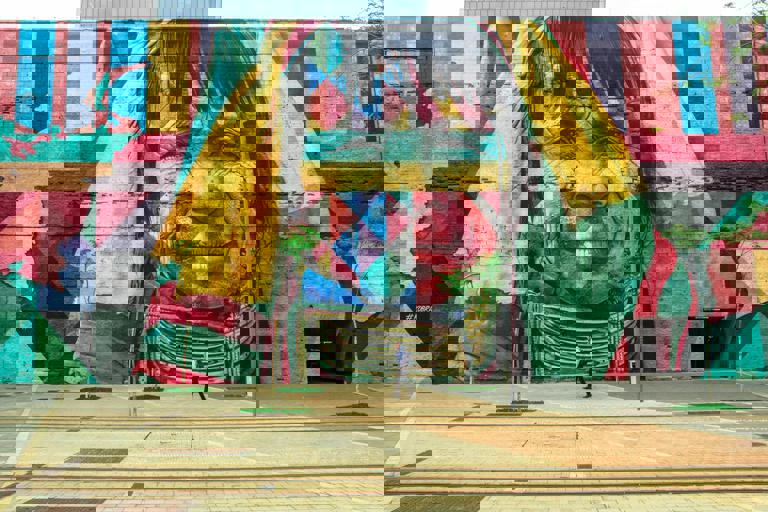
A striking new mural unveiled on a prominent city street has become the epicentre of a heated debate, drawing attention from both local residents and the wider art community. The artwork, spanning the side of a historic building, has quickly become a talking point for its provocative imagery and bold political undertones. Passersby have paused to take photos, react, and, in some cases, voice strong opinions about its message and aesthetics.
Supporters of the mural praise its vibrant colours and unapologetic stance on social issues, describing it as a much-needed spark for dialogue in public spaces. "Street art should challenge us and make us reflect on our society," commented art critic Fiona Pearson. She believes that the mural succeeds in encouraging open conversations about often overlooked community topics, making art accessible beyond traditional gallery walls.
However, not everyone shares this enthusiasm. Some local residents argue that the mural's confrontational theme disrupts the character of their neighbourhood. Long-time resident David Martin expressed concern, stating, "While creativity has a place in our city, this artwork doesn't speak for everyone, and I wish the community had been consulted more before its installation." This sentiment is echoed by others who worry that such public art can alienate rather than unite.
City officials have become involved in the growing controversy, with councillors hosting forums to gauge public sentiment regarding the mural's appropriateness. Local authorities have emphasised the importance of balancing freedom of artistic expression with respect for community standards. According to recent council statements, the feedback received will influence future regulations surrounding public art projects and the selection process for artists.
The mural also raises questions about the role street art plays in shaping urban identity. Experts note that public artworks have historically reflected the voices and struggles of their times, serving as mirrors for societal concerns. Dr. Emily Rowe, a sociologist at a nearby university, states, "Public art is never just about aesthetics—it's about power, representation, and who gets to tell the story of a place."
Interestingly, the debate extends beyond residents and officials to include local business owners, some of whom see the mural as an opportunity rather than a nuisance. Several shops near the mural report an uptick in foot traffic as visitors come to view the controversial piece. "Love it or hate it, it’s bringing people to our area—mostly with cameras in hand," said café owner Melissa Boyd.
Social media platforms have amplified the conversation, with hashtags related to the mural trending locally. Online discussions reflect the spectrum of public opinion, from enthusiastic support for bold expression to calls for more inclusive decision-making. Some users have organised digital polls for residents to express their views, while others have posted lengthy threads analysing the artwork’s symbolism and intended messages.
As the conversation continues, the mural stands as a vivid symbol of the friction—and potential—within community spaces. While some hope the debate will lead to more transparent artistic collaborations in the future, others see it as a necessary catalyst for broader engagement with public policy and urban culture. No matter the outcome, the mural has firmly established itself as part of the city’s evolving cultural landscape.